

The Origin of Cicada 3301: A Simple Post with Complex Consequences
The First Appearance on the Internet
In January 2012, an anonymous message appeared on the imageboard 4chan. The post contained a black image with white text claiming to seek “highly intelligent individuals.” It was signed simply: Cicada 3301.
At first glance, it resembled countless other posts lost in the chaos of anonymous forums. Yet embedded within the image was hidden data the first of many hidden codes that would define the challenge.
This was not a puzzle designed for casual curiosity. It required knowledge of steganography, cryptography, programming, philosophy, and internet culture. From the very beginning, Cicada 3301 positioned itself as an elite Internet scavenger hunt.

The Name and the Symbolism
The name “Cicada” sparked immediate speculation. Cicadas are known for long periods of dormancy followed by sudden emergence a metaphor that resonated with the puzzle’s sporadic appearances. The number 3301, never officially explained, added another layer of intrigue.
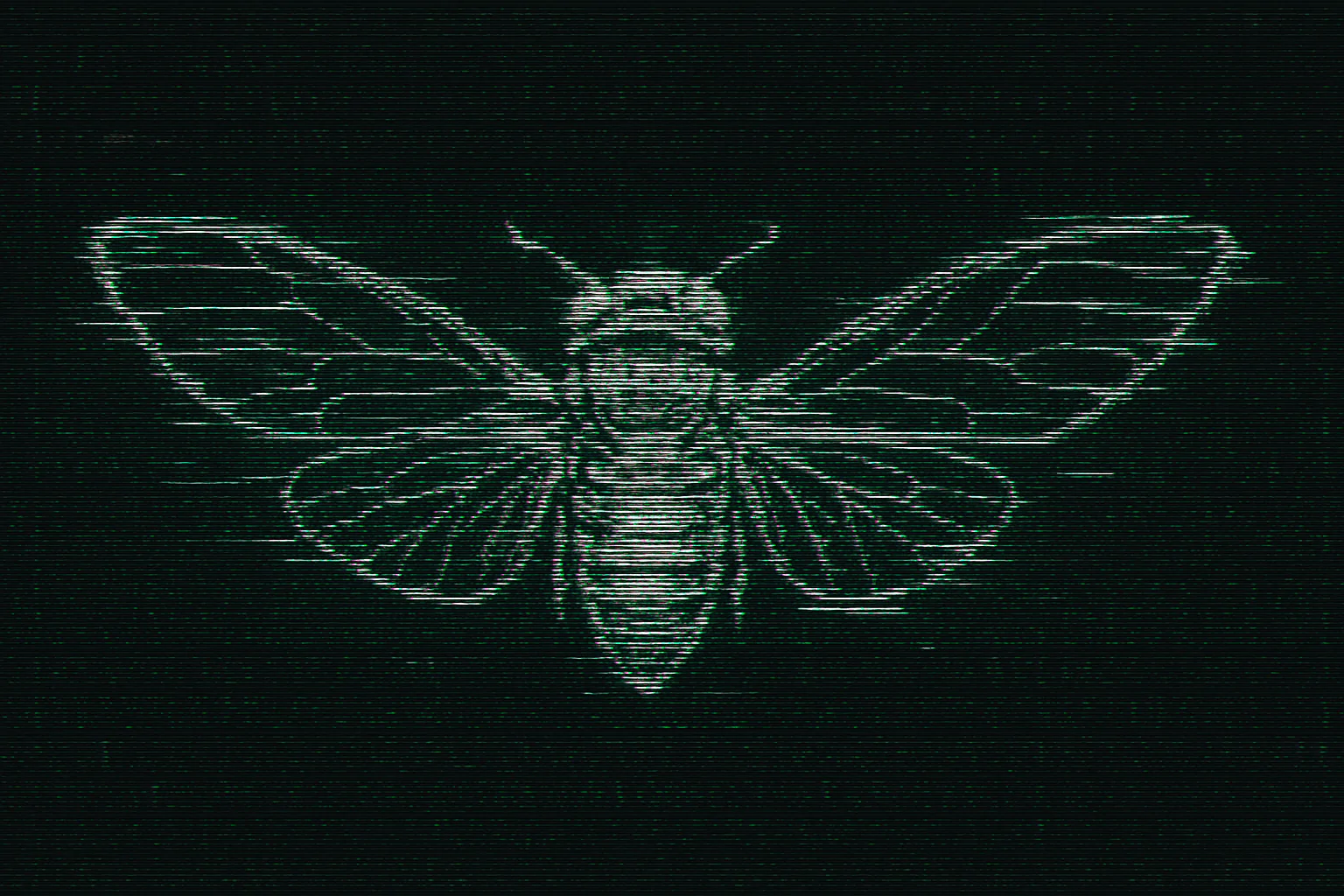
Over time, the cicada symbol became iconic, representing secrecy, rebirth, and patience. Whether intentional or coincidental, this symbolism fueled theories about secret societies online and long-term digital planning.
The Puzzle Structure: More Than Just Cryptography
Layers of Complexity
Unlike traditional riddles, Cicada 3301 unfolded across multiple platforms. Participants encountered puzzles hidden in:
- Images using steganography
- Encrypted text files
- Music files with embedded data
- Books and ancient texts
- GPS coordinates leading to physical locations
This multi-dimensional structure elevated the challenge beyond a simple cryptography challenge. It became a test of persistence, collaboration, and interdisciplinary thinking.
The Role of the Deep Web and Dark Web
As the puzzles evolved, they led participants beyond the surface web into the Deep Web and, at times, references associated with Dark Web secrets. This transition intensified the aura of danger and exclusivity.
However, it is worth noting that the presence of Deep Web elements does not inherently imply criminal activity. Many researchers point out that these layers simply provided privacy and anonymity core themes of the puzzle itself.

Anonymous Communities and Collective Intelligence
Collaboration Over Competition
One of the most fascinating aspects of Cicada 3301 was how it fostered collaboration. Online forums, chat rooms, and independent blogs emerged where participants shared findings, theories, and partial solutions.
These anonymous communities functioned like decentralized research teams. Expertise in cryptography, linguistics, mathematics, and computer science converged organically.
In many ways, Cicada 3301 became a real-world experiment in collective intelligence an unscripted demonstration of how humans solve complex problems together when driven by curiosity.
Gatekeeping and Silence
Interestingly, those who progressed far into the puzzle were often instructed to remain silent. This rule of discretion reinforced the perception of exclusivity and sparked speculation about recruitment into unknown organizations.
Whether this silence was part of a genuine vetting process or simply a narrative device remains open to interpretation.
Theories Behind Cicada 3301
A Recruitment Tool?
One of the most persistent theories suggests that Cicada 3301 was a recruitment initiative. The emphasis on cryptography, privacy, and cybersecurity riddles aligns closely with skills valued in intelligence agencies and cybersecurity firms.
Yet, no verifiable institution has ever claimed responsibility. The absence of confirmation leaves this theory plausible but unproven.
An Art or Philosophy Project?
Others view Cicada 3301 as an elaborate art installation or philosophical experiment. The use of ancient texts, symbolism, and ethical themes related to privacy and freedom supports this perspective.
From this angle, the puzzle may have been designed not to recruit, but to provoke thought a digital mirror reflecting humanity’s relationship with information and secrecy.
Digital Conspiracy Theories
Naturally, Cicada 3301 also fueled countless digital conspiracy theories. Speculation ranged from shadow governments to secret hacker collectives shaping global events.
While these narratives are compelling, they often rely on circumstantial connections rather than evidence. Still, they highlight how powerful unanswered questions can be in the internet age.

Why Cicada 3301 Still Matters
Impact on Internet Culture
More than a decade later, Cicada 3301 remains one of the most referenced unsolved internet mysteries. It inspired books, documentaries, games, and countless discussions across social media and academic circles.
Its influence can be seen in modern ARGs (Alternate Reality Games) and online puzzle-based storytelling.
Lessons in Cryptography and Privacy
For students and researchers in cryptography and computer science, Cicada 3301 serves as a practical case study. It demonstrates how encryption, anonymity, and open collaboration intersect in real-world scenarios.
At the same time, it raises questions about digital trust, information control, and the ethics of secrecy.
Open Questions: What Lies Behind the Mystery?
Despite years of analysis, no definitive explanation has emerged. Cicada 3301 stopped releasing public puzzles after 2014, though occasional messages have appeared claiming continuity.
Was the puzzle completed? Did it achieve its purpose? Or is it simply dormant, waiting for the right moment to re-emerge much like the insect it is named after?
Rather than offering closure, Cicada 3301 invites reflection. In a world where information is abundant but meaning is elusive, perhaps the mystery itself is the message.

Conclusion: A Mirror of the Digital Age
Cicada 3301 stands at the intersection of technology, mystery, and human curiosity. It challenges assumptions about knowledge, collaboration, and secrecy without forcing a single narrative.
Whether viewed as a Deep Web mystery, a cryptographic masterpiece, or a cultural phenomenon, its legacy continues to resonate. Perhaps the true value of Cicada 3301 lies not in solving it, but in contemplating what it reveals about us.
As you reflect on the puzzle, one question remains open: in an era defined by transparency and surveillance, what role should mystery still play?
If you enjoy exploring online enigmas and digital mysteries, share this article, join the discussion, and continue questioning the unseen layers of the internet.