Popular Posts


What Is the Dead Internet Theory?
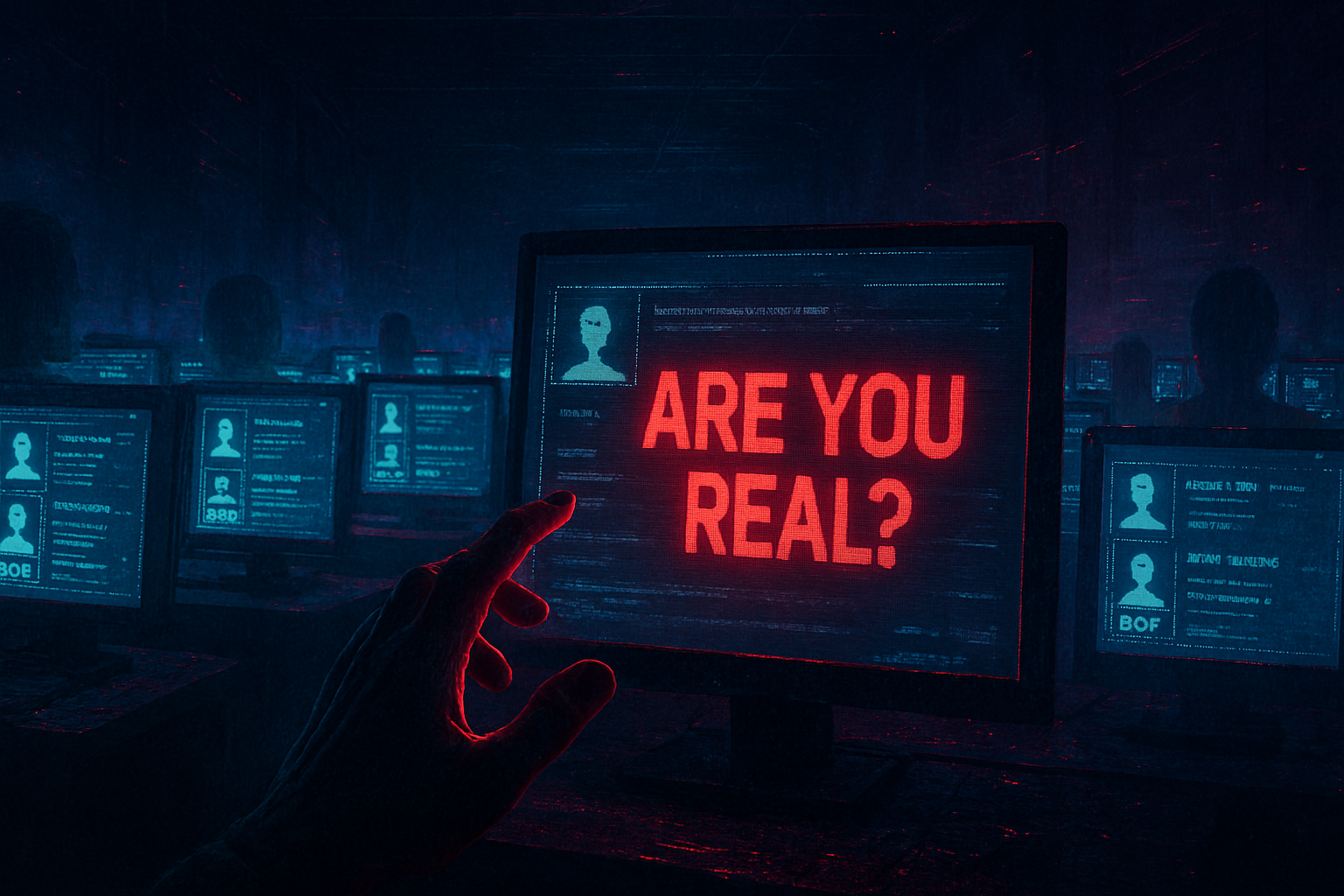
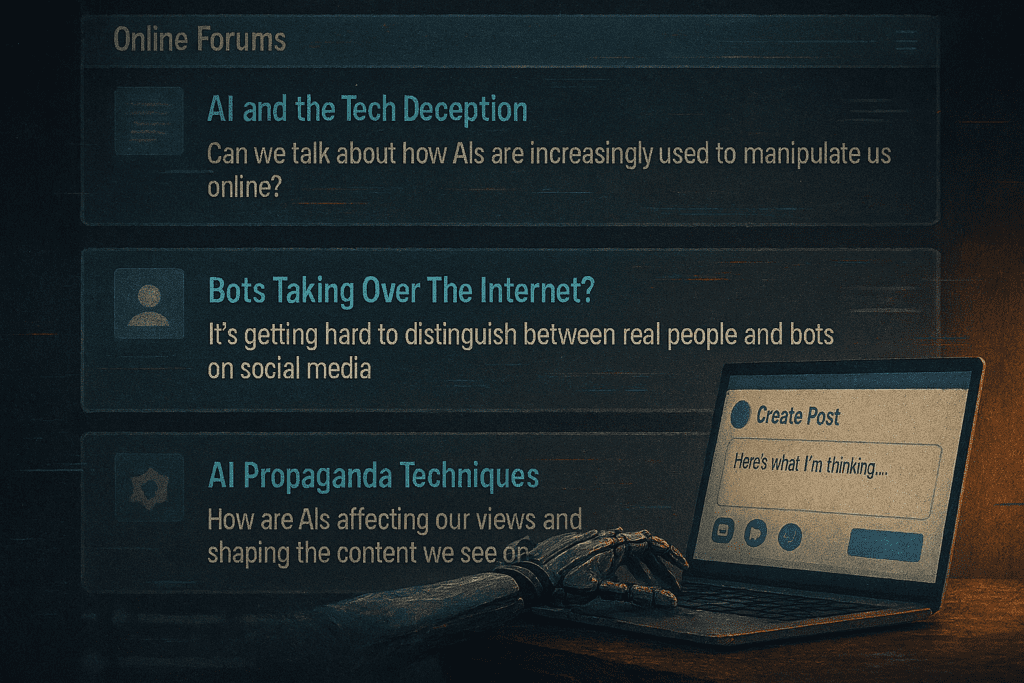
At its core, What is the Dead Internet Theory? It is a belief that the internet, as a space dominated by organic human interaction, has gradually decayed. According to the theory, a significant percentage of content, conversations, engagement metrics, and even perceived trends are generated or amplified by non-human actors.
These actors range from simple automation scripts to advanced AI language models, recommendation engines, and coordinated bot networks. The result, proponents suggest, is an internet that feels busy yet oddly hollow.
The theory does not claim the internet suddenly “died” on a specific date. Instead, it frames decay as gradual accelerated by monetization, platform incentives, artificial online activity, and the increasing efficiency of AI-generated presence.
Whether metaphorical or literal, the Dead Internet Theory acts as a lens through which many users interpret:
- Repetitive online discourse
- Suspicious engagement patterns
- Homogenized content across platforms
- The rise of synthetic personalities
History of the Dead Internet Theory
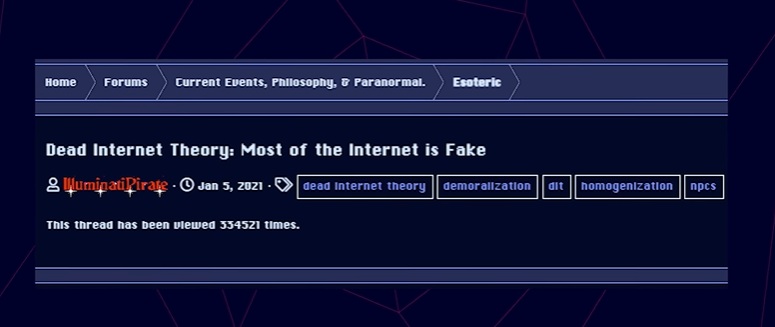
The History of the Dead Internet Theory traces back to niche online forums, most notably a widely shared post from Agora Road's Macintosh Cafe in 2021. In that discussion, anonymous users described a growing sense that authentic interaction had been replaced by artificial noise.
What made the post resonate was not technical evidence, but experiential familiarity. Many readers recognized the patterns described empty comment threads, inflated metrics, viral content that felt algorithmically optimized rather than culturally meaningful.
Over time, the theory migrated from obscure message boards to mainstream discourse, intersecting with conversations about:
- AI-generated content
- Social media bot accounts
- Algorithmic manipulation
- Digital authenticity and online presence
Importantly, the theory gained traction during an era of explosive AI advancement when generative models became capable of writing, posting, replying, and even arguing in ways nearly indistinguishable from humans.
Are Most Internet Users Bots?
One of the most provocative questions tied to the Dead Internet Theory is: Are most internet users bots?
From a technical standpoint, automated traffic has existed since the early days of the web. Search engine crawlers, uptime monitors, scrapers, and ad-verification bots are foundational to internet infrastructure.
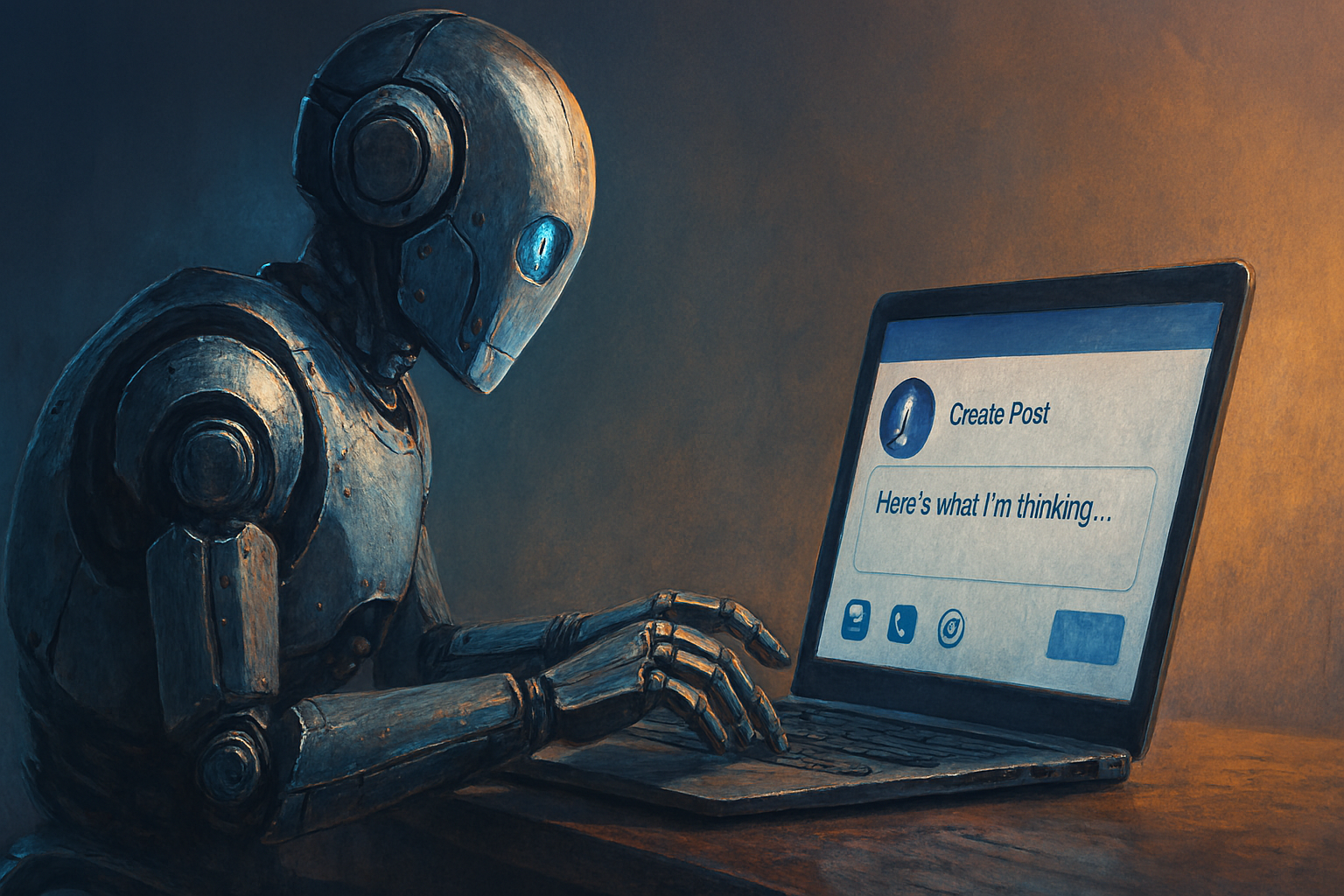
The shift occurs when automation moves from infrastructure to interaction. Social media bots now:
- Like, comment, and share posts
- Engage in political or financial discourse
- Promote products, narratives, or ideologies
- Simulate long-term user behavior
Some estimates suggest that non-human traffic accounts for a majority of total internet activity. Yet volume alone does not answer the deeper question: how much perceived engagement is genuinely human?
The Dead Internet Theory does not require bots to outnumber humans only to dominate visibility, amplification, and feedback loops.
Organic vs Artificial Internet Traffic
Understanding organic vs artificial internet traffic is essential for businesses, investors, and analysts. Organic traffic traditionally reflects genuine interest users actively seeking, engaging, and responding.
Artificial traffic, by contrast, is designed to trigger signals:
- Clicks without intent
- Engagement without meaning
- Visibility without value
Modern algorithms reward activity, not authenticity. This creates an environment where artificial online activity can outperform human nuance.
From a portfolio or market perspective, this raises questions about:
- Inflated user metrics
- Misleading growth signals
- Algorithm-driven valuation bubbles
The Dead Internet Theory invites reflection not panic about how digital signals are interpreted in economic decision-making.
Social Media Bot Accounts and Online Engagement
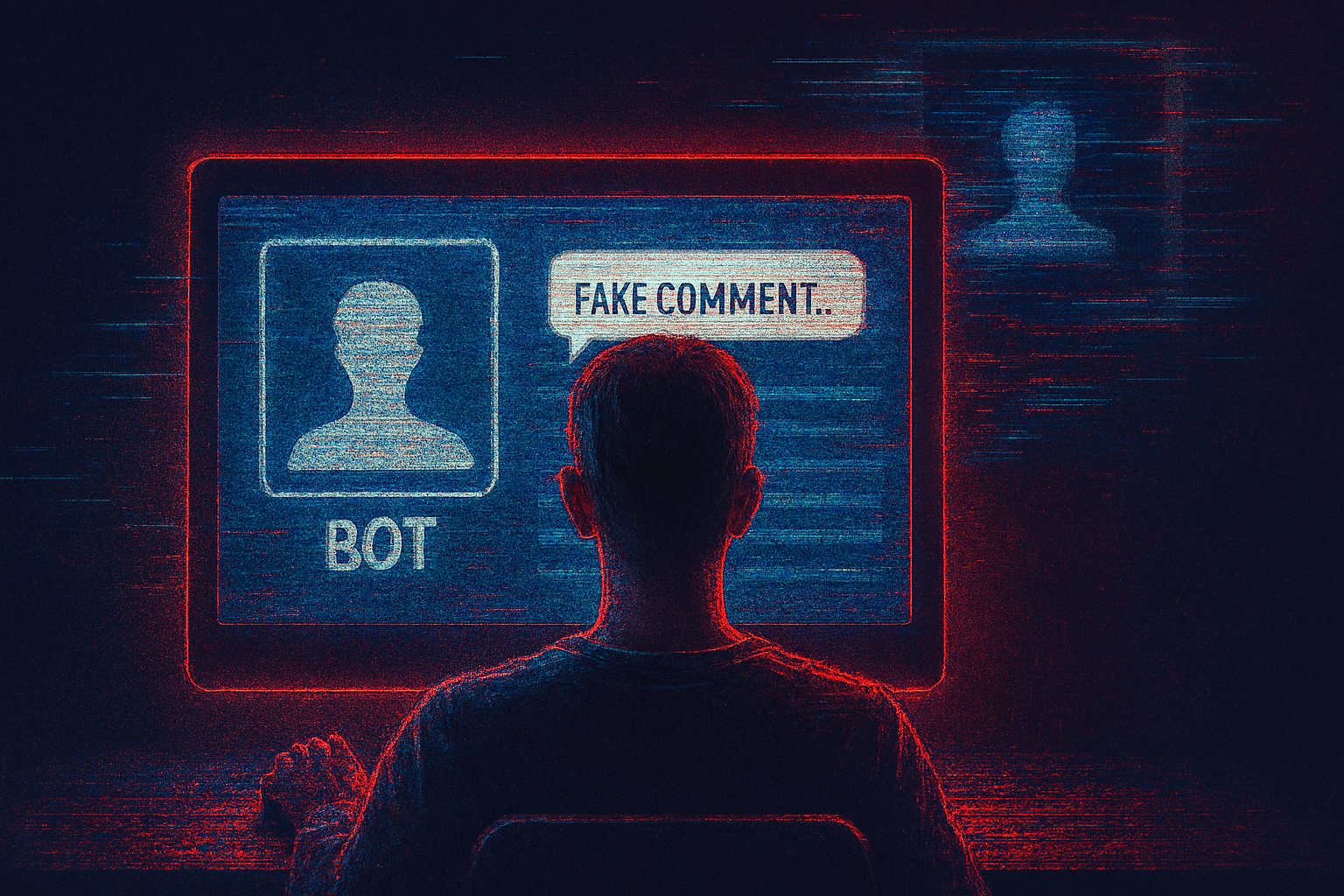
Social media bot accounts represent the most visible layer of the theory. These accounts often appear legitimate, complete with profile photos, bios, posting histories, and interaction patterns.
Indicators that engagement may not be organic include:
- Highly generic replies across unrelated posts
- Unusual posting frequency or timing
- Identical language appearing across accounts
- Engagement clusters disconnected from real communities
Yet platforms themselves rely on automation for moderation, content distribution, and monetization. This blurs the line between necessary automation and artificial social presence.
The question becomes less about whether bots exist and more about how much influence they exert on perceived reality.
Internet Manipulation and AI
Internet manipulation and AI is no longer a hypothetical. Recommendation systems shape attention, sentiment, and behavior at scale.
AI-generated content can now:
- Write articles
- Respond emotionally
- Engage in debates
- Adapt tone based on feedback
In this context, the Dead Internet Theory aligns with broader concerns about:
- Information asymmetry
- Perception engineering
- Digital illusion and narrative control
None of this requires centralized conspiracy. Emergent behavior from incentive-driven systems can produce similar outcomes.
Signs the Internet Is Not Organic
Those exploring signs the internet is not organic often describe subtle, cumulative signals rather than definitive proof.
- Content optimized for algorithms rather than humans
- Echo chambers with minimal dissent
- Engagement without emotional depth
- Rapid trend cycles with shallow lifespan
These signs do not confirm the Dead Internet Theory. They simply highlight structural incentives that may favor artificial amplification over human complexity.
Is the Internet Real or Fake?
Asking Is the internet real or fake? may be the wrong framing. A more nuanced question is: How much of what we experience online is mediated, optimized, or simulated?
The internet remains real in infrastructure, economics, and consequence. Yet the authenticity of interaction increasingly depends on systems few users fully understand.
The Dead Internet Theory does not demand belief only awareness.
Conclusion: Reflection in the Age of Artificial Online Activity
The Dead Internet Theory functions less as a declaration and more as a mirror. It reflects discomfort with automation, AI, and the commodification of attention.
For investors, analysts, entrepreneurs, and informed readers, the takeaway is not fear but literacy. Understanding how artificial online activity shapes perception is now part of digital due diligence.
Whether the internet is decaying, evolving, or transforming remains open to interpretation. The question is no longer whether AI participates online but how consciously humans choose to engage alongside it.
The reflection is yours to complete.