


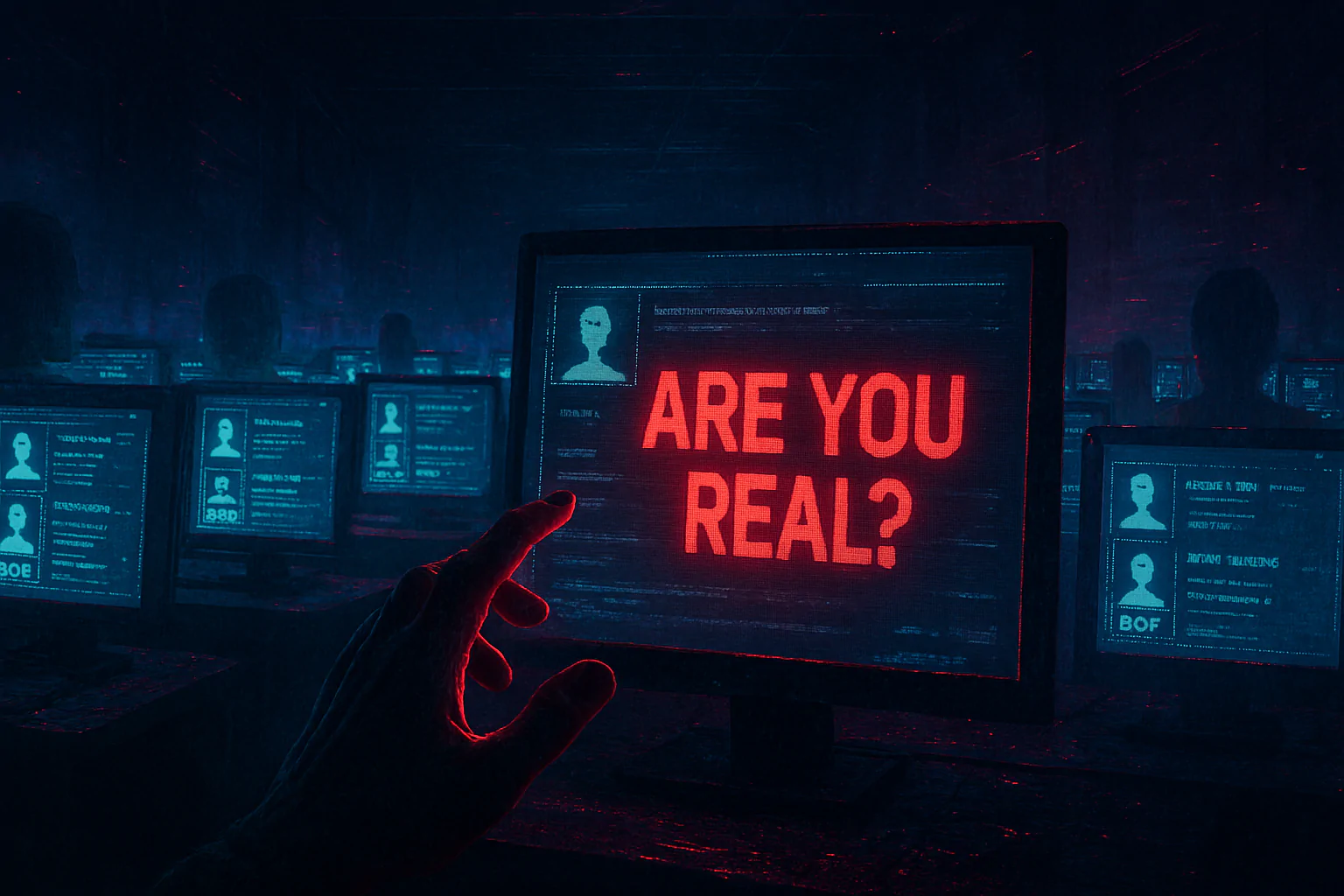


Understanding TikTok’s Silent Takeover
From Social Media to Attention Infrastructure
Unlike traditional social media platforms built around social graphs (friends, followers, connections), TikTok operates primarily through recommendation algorithms. The “For You” page is less about who you know and more about what captures your attention.
Every swipe, pause, replay, or scroll sends signals. Over time, TikTok learns not who you are socially, but how your attention behaves neurologically.

This design places TikTok at the center of the attention economy, where focus is the currency, and content competes in milliseconds.
- Videos load instantly
- No decision fatigue content is pre-selected
- Endless scrolling removes natural stopping points
These features are not accidental. They reflect years of research in behavioral psychology, habit formation, and engagement science.
Why “Silent” Matters
TikTok’s influence is often described as silent because it doesn’t require conscious participation. You don’t need to post. You don’t need to comment. You don’t even need to follow anyone. Consumption alone is enough.
This passive immersion raises questions about cognitive impact, especially for youth and teenagers whose brains are still developing.
Brain Rewiring: What Does That Actually Mean?
Neuroplasticity in the Digital Age
Brain rewiring doesn’t imply damage or permanence. It refers to neuroplasticity— the brain’s ability to adapt based on repeated experiences.
Reading rewires the brain. Learning a language rewires the brain. Playing music rewires the brain. Digital environments are no different.
The question isn’t whether TikTok changes neural patterns, but how and in what direction.

Short-Form Content Consumption and Neural Patterns
TikTok specializes in short-form content consumption—videos often ranging from 7 to 60 seconds. This format emphasizes:
- Rapid novelty
- High emotional hooks
- Immediate reward or payoff
From a digital neuroscience perspective, repeated exposure to rapid content shifts may encourage the brain to prioritize speed over depth.
This doesn’t automatically reduce intelligence or creativity, but it may influence how attention and focus are allocated across tasks.
Dopamine, Reward Loops, and Digital Habits
Dopamine Isn’t the Villain But It’s Involved
Dopamine is often misunderstood. It’s not simply the “pleasure chemical.” It’s deeply involved in motivation, anticipation, and learning.
TikTok’s design creates frequent dopamine-triggering moments:
- Unexpected content rewards
- Emotional peaks (humor, shock, relatability)
- Social validation metrics

From a behavioral psychology standpoint, this resembles a variable reward system the same structure used in games and gambling.
Again, this is not a claim of harm. It’s an observation of mechanism.
Digital Addiction or Digital Adaptation?
Some researchers frame heavy TikTok use as digital addiction. Others suggest it’s a form of adaptation to a high-information environment.
Both perspectives coexist.
What matters for readers especially parents, educators, and mental health professionals is understanding where habit ends and dependency may begin.
Attention and Focus in the TikTok Era
The Fragmentation of Attention
One of the most discussed cognitive impacts of TikTok relates to attention and focus. Short bursts of content may condition the brain to expect constant stimulation.
This raises reflective questions:
- Does long-form reading feel harder than before?
- Is boredom less tolerable?
- Do pauses feel uncomfortable?

For students and academics, these shifts may intersect with learning environments that still rely heavily on sustained attention.
Focus Isn’t Gone It’s Redirected
It’s important to note that TikTok users often demonstrate intense focus just in shorter cycles.
This suggests not a loss of attention, but a redistribution of it.
Digital culture doesn’t eliminate focus; it reshapes how and where it appears.
Youth, Teenagers, and Developing Brains
Why Age Matters in Digital Neuroscience
The adolescent brain is particularly sensitive to reward systems and social feedback. This makes TikTok especially compelling for youth and teenagers.
For parents and educators, the concern is not exposure alone, but the balance between digital input and offline experiences.
Questions worth considering:
- How much unstructured time remains?
- Is boredom still accessible?
- Are reflective skills being practiced?
Identity, Algorithms, and Feedback Loops
TikTok doesn’t just show content it reflects identity back to the user.
Over time, recommendation algorithms may reinforce specific interests, aesthetics, or emotional tones.
For developing identities, this can feel validating or narrowing depending on perspective.
Mental Health and the Algorithmic Environment
Correlation, Not Conclusion
Discussions around TikTok and mental health often become polarized. This article intentionally avoids definitive claims.
Studies suggest correlations between heavy social media use and anxiety or mood changes, but correlation is not causation.

Mental health professionals increasingly focus on context:
- Why is the platform being used?
- What emotional needs does it meet?
- What is it replacing?
Digital Culture as Emotional Mirror
TikTok often amplifies trends around self-diagnosis, therapy language, and mental health awareness.
This visibility can educate or oversimplify depending on interpretation.
Again, the platform reflects rather than dictates.
Recommendation Algorithms: Invisible Architects of Thought
How Algorithms Learn Faster Than We Notice
Recommendation algorithms adapt faster than conscious awareness. They don’t wait for reflection they respond to behavior.
This creates an environment where:
- Preferences are reinforced
- Contradictions may appear less often
- Emotional intensity is prioritized
Curated Reality and Cognitive Diversity
For academics and researchers, this raises questions about cognitive diversity:
If attention is continuously optimized, what happens to randomness, friction, and challenge?
There are no clear answers only evolving research.
Practical Reflection Points for Readers
- Notice how your body feels after scrolling
- Experiment with intentional breaks
- Compare short-form and long-form focus
- Observe, without judgment
Awareness precedes change but change is optional.
Conclusion: The Pause Between Swipes
TikTok is not an enemy, nor a savior. It’s a mirror held close to the brain.
In the attention economy, silence is rare. But reflection still exists in the pause between swipes.
What happens next isn’t dictated by algorithms alone, but by how consciously we engage with them.
The invitation is simple:
Pay attention to what’s paying attention to you.