
The “Doomsday Vault”: Inside the World’s Most Secure Seed Bank Preserving Life at -18°C
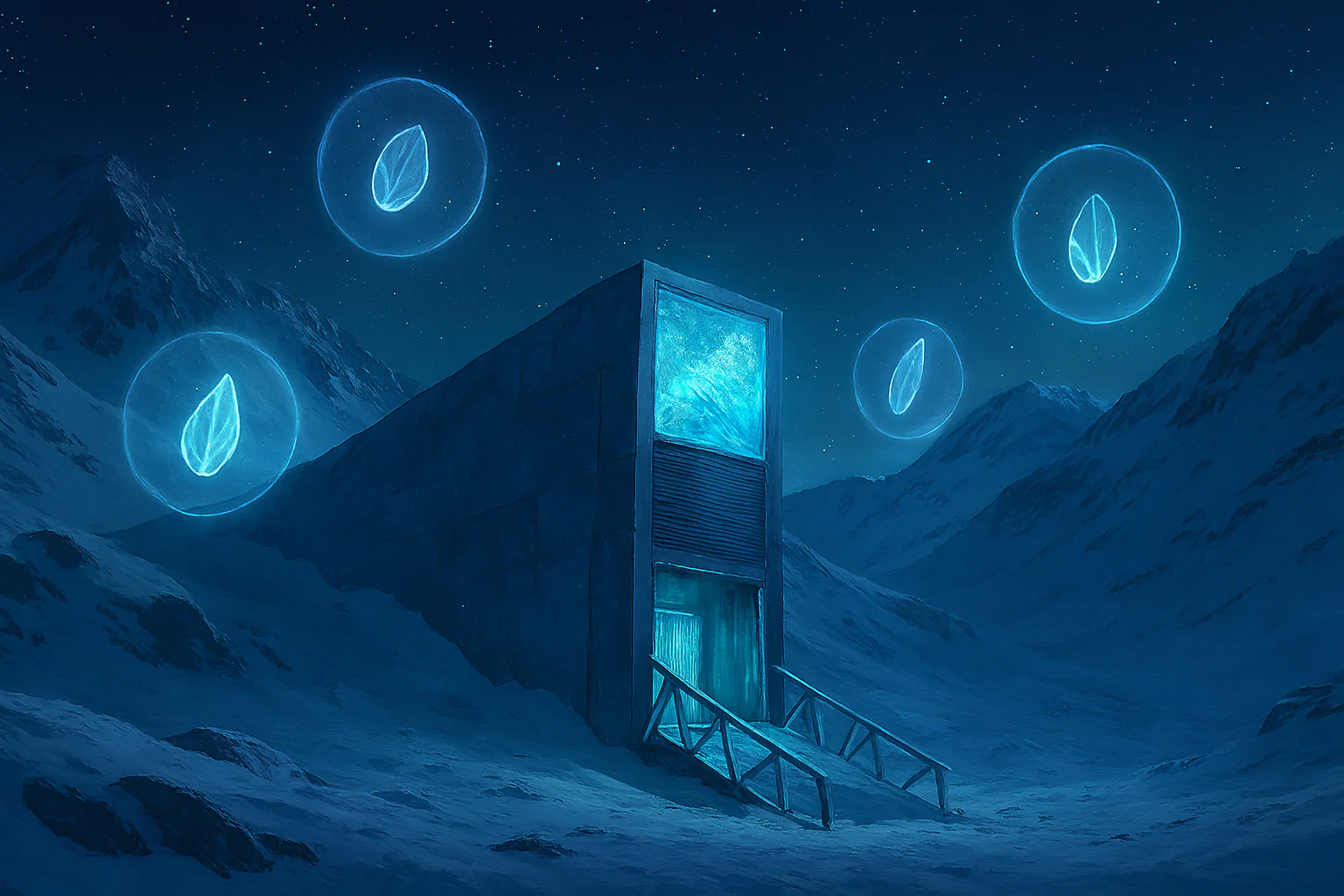
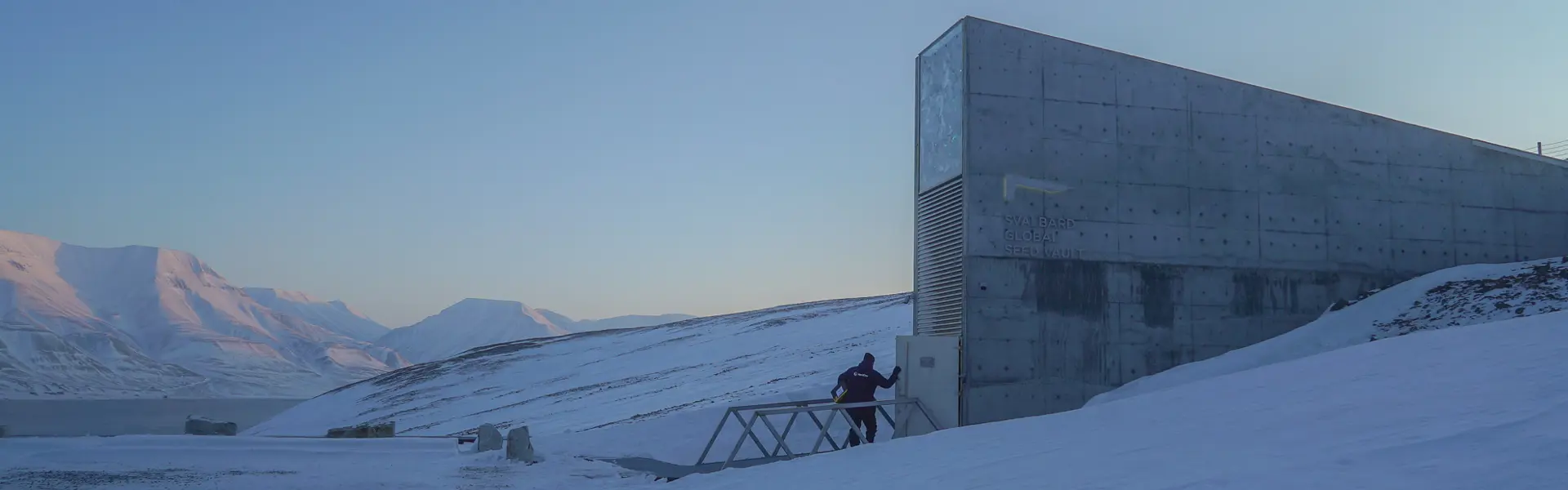
Deep within the icy mountains of the Svalbard archipelago, halfway between mainland Norway and the North Pole, lies one of the most remarkable structures on Earth the Global Seed Vault, also known as the “Doomsday Vault.”
Built to withstand natural and human catastrophes, this underground fortress holds over one million seed samples a living backup of the world’s agricultural diversity, preserved at a constant -18°C.
But what drives humanity to build a vault like this? Is it a symbol of hope for the future or a chilling reminder of what could go wrong?
Why a Global Seed Vault Exists
Throughout history, civilizations have risen and fallen alongside their crops. Wars, natural disasters, and changing climates have repeatedly wiped out entire species of plants. Each loss weakens our ability to feed future generations.
The Global Seed Vault, sometimes called the Bank of the Apocalypse, was designed as a safeguard a last-resort repository that could help humanity rebuild agriculture in the event of a global catastrophe. Located in Svalbard, Norway, the vault was strategically chosen for its cold, stable climate and geological security, far from war zones and rising sea levels.
How the “Doomsday Vault” Works

Inside the mountain, a 120-meter tunnel leads to three storage chambers lined with thick concrete and reinforced steel doors. Within them, thousands of airtight boxes rest in perfect silence. Each box contains hundreds of carefully labeled seed samples, representing crops from almost every nation on Earth.
The vault maintains an internal temperature of -18°C, ideal for slowing down biological activity and keeping seeds viable for centuries. Even if the power fails, the surrounding permafrost would naturally keep the seeds frozen a design that makes this vault nearly self-sustaining.
Every seed stored here tells a story of human innovation, survival, and our deep connection with nature.
Seeds as the Genetic Memory of Humanity
Seeds are more than just potential plants; they are genetic blueprints a record of evolution, adaptation, and cultural history.
From ancient grains that fed empires to rare wild species with unknown potential, the Svalbard Global Seed Vault acts as a genetic time capsule, preserving diversity in an era when monocultures and climate change threaten our food systems.
For example, if droughts destroy a local variety of wheat or a disease wipes out a regional crop, scientists can retrieve samples from Svalbard to reintroduce the lost genetics and restore agricultural resilience.
A Global Effort for a Shared Future

The vault is managed through a collaboration between the Norwegian government, the Nordic Genetic Resource Center (NordGen), and the Crop Trust, a global organization dedicated to ensuring long-term food security.
More than 90 countries have deposited seeds from rice in Asia to beans from Latin America and maize from Africa. Each nation retains ownership of its seeds, which are stored as backups of their national seed banks.
This global cooperation shows a rare unity nations working together not for profit, but for survival.
When the World Knocked on Svalbard’s Door
In 2015, the Syrian civil war led to the destruction of part of the Aleppo seed bank, one of the oldest in the Middle East. Scientists turned to Svalbard, requesting the withdrawal of their deposited seeds the first time the vault was accessed for emergency recovery.
Those samples were later used to rebuild regional crops that had been lost to conflict, proving that the Doomsday Vault is not just symbolic it’s a real, functioning lifeline for humanity.
Preservation at -18°C: Why Temperature Matters
The decision to maintain the vault at -18°C is not arbitrary. At this temperature, biological activity is nearly halted.
Seeds can remain viable for hundreds or even thousands of years, depending on the species. For instance:
- Barley: up to 2,000 years
- Wheat: around 1,000 years
- Peas: approximately 900 years
This deep-freeze preservation ensures that even if a seed bank elsewhere is destroyed by floods, fires, or political unrest, its genetic material endures.
Between Science and Symbolism
While the Global Seed Vault is a masterpiece of scientific engineering, it also carries deep symbolic meaning. To some, it represents humanity’s foresight our ability to plan for future generations and protect biodiversity.
To others, it raises uncomfortable questions: why do we need such a vault at all? Are we anticipating our own downfall?
The Future of Food and Biodiversity
As climate change accelerates, extreme weather, soil degradation, and loss of pollinators threaten global agriculture.
The Svalbard Global Seed Vault may become increasingly vital a biological insurance policy for the future of food.
Yet, it’s only one part of a broader mission. Preserving biodiversity requires active cultivation, responsible consumption, and sustainable agricultural practices — not just frozen samples hidden beneath Arctic ice.
So, the question lingers: will we rely on this vault as a backup after disaster strikes, or will we act now to protect the ecosystems that feed us?
Conclusion: A Vault of Hope or Warning?
The Global Seed Vault stands silent in the Arctic night a fortress of frozen life, waiting patiently for a future that may need it.
Its mere existence invites reflection. Are we capable of preventing the very catastrophes it was built to survive? Or are we already preparing for a world beyond repair?
Perhaps the Doomsday Vault is less about the end and more about a new beginning.